
Therapeutic Mammoplasty in Gurgaon


Therapeutic mammoplasty is an oncoplastic breast-conserving surgery that combines removal of a breast tumour with breast reduction and reshaping techniques. It can be considered when a relatively larger amount of breast tissue needs to be removed but preserving the breast remains an appropriate cancer treatment option.
Unlike a conventional lumpectomy, therapeutic mammoplasty allows the surgeon to remove the tumour and reshape the remaining breast tissue. In selected patients, the opposite breast may also be adjusted to improve symmetry.
Dr. Mansi Chowhan is an Oncoplastic Breast Surgeon in Gurgaon with advanced training in breast oncoplasty and breast cancer surgery.
What Is Therapeutic Mammoplasty?
Therapeutic mammoplasty combines two objectives in one operation:
Cancer treatment: The tumour is removed with an appropriate margin of surrounding tissue.
Breast reshaping: The remaining breast tissue is reshaped using principles similar to breast reduction surgery.
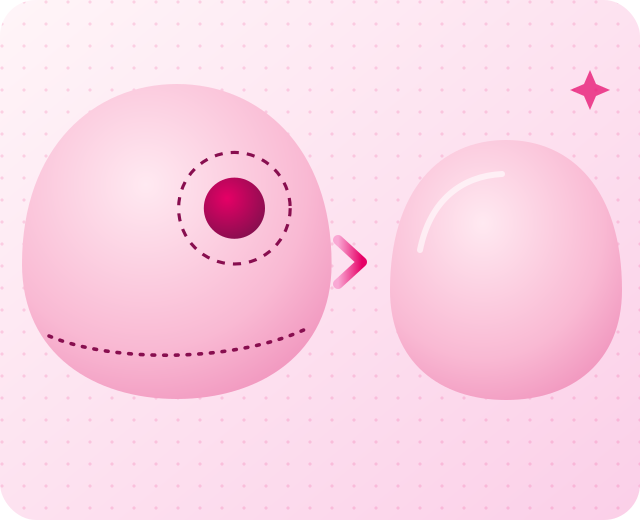
This approach can be useful when removing the tumour would otherwise leave a significant indentation or change in breast shape.
The nipple and areola may also be repositioned as part of the reshaping procedure, depending on the technique and location of the tumour.
Who May Benefit From Therapeutic Mammoplasty?
Therapeutic mammoplasty may be considered for selected women with breast cancer, particularly when:
- A larger volume of tissue needs to be removed
- The tumour is relatively large compared with the breast
- The tumour is located in an area where conventional lumpectomy may cause significant distortion
- The patient has sufficient breast tissue for reshaping
- Breast conservation is oncologically appropriate
- Breast reduction would otherwise be suitable or desirable
The technique is not suitable for everyone. The decision depends on tumour characteristics, breast anatomy, imaging and the overall cancer treatment plan.
How Does Therapeutic Mammoplasty Work?
The operation is planned around both the tumour and the natural shape of the breast.
1. Breast and Tumour Assessment
Your surgeon reviews clinical findings, mammography, ultrasound, MRI when indicated, and biopsy results.
2. Surgical Planning
The tumour location is mapped onto the breast, and the surgeon plans the incision and tissue-remodelling technique.
3. Tumour Removal
The cancer is removed with an appropriate margin as part of breast-conserving surgery.
4. Breast Reduction and Reshaping
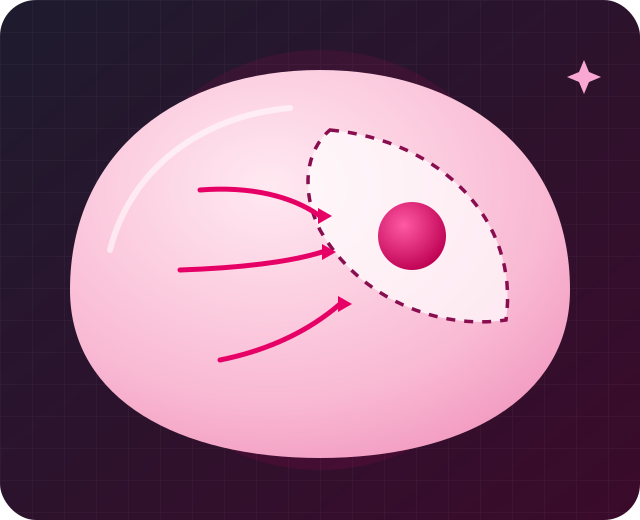
Additional breast tissue is removed or rearranged according to the selected reduction pattern. The remaining tissue is shaped to create a balanced breast contour.
5. Nipple-Areola Repositioning
Depending on the technique, the nipple and areola may be repositioned while maintaining their blood supply.
6. Opposite Breast Symmetry
In some patients, a reduction or lift of the opposite breast may be considered to achieve better symmetry.
7. Pathology
The tumour and removed tissue are examined by a pathologist. The final results help determine whether the surgical margins are adequate and whether further treatment is required.
Therapeutic Mammoplasty vs Standard Lumpectomy
Both procedures aim to preserve the breast, but the surgical approach differs.
| Standard Lumpectomy | Therapeutic Mammoplasty |
|---|---|
| Removes the tumour and surrounding tissue | Removes the tumour and reshapes the breast |
| Usually involves a smaller tissue resection | Can allow a larger volume of tissue to be removed |
| Limited reshaping may be required | Uses breast reduction/reshaping principles |
| May be suitable for smaller defects | Can be useful when a larger defect is expected |
| Does not necessarily reduce overall breast size | Usually reduces and reshapes the treated breast |
The most appropriate approach depends on the tumour and the patient's breast anatomy.
Why Is Therapeutic Mammoplasty Used in Breast Cancer Surgery?
Removing a tumour can sometimes create a significant defect, particularly when the tumour is large or located in a challenging part of the breast.
Therapeutic mammoplasty allows the surgeon to plan the cancer excision and breast reshaping together.
Potential benefits include:
- Preservation of the breast
- Removal of a larger volume of tissue when appropriate
- Reduced risk of significant contour deformity
- Reshaping of the breast after tumour removal
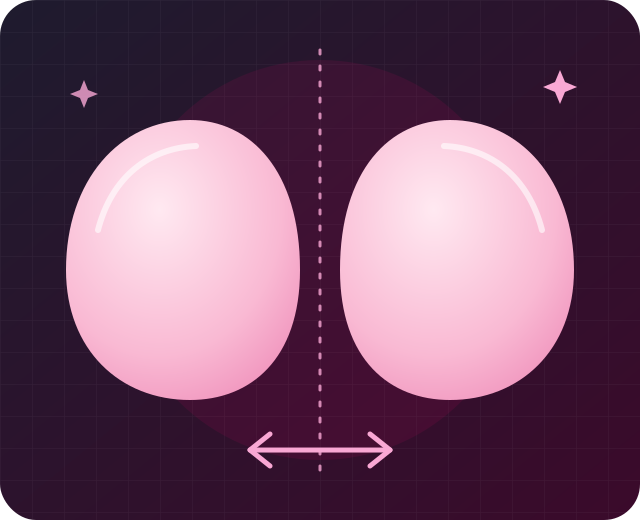
- Potential improvement in breast symmetry
- Opportunity to address breast size when reduction is appropriate
The primary goal remains appropriate cancer treatment. The cosmetic result is considered as part of the overall surgical plan.
Can Therapeutic Mammoplasty Be Used for Large Tumours?
In selected patients, yes.
One of the potential advantages of oncoplastic techniques is that they can allow a larger amount of breast tissue to be removed while maintaining a reasonable breast contour.
However, the tumour must still be suitable for breast-conserving treatment. If the cancer cannot be adequately removed while preserving the breast, mastectomy may be recommended instead.
Is Therapeutic Mammoplasty Suitable for Large Breasts?
It can be particularly useful for women with moderate to large breasts because there may be sufficient tissue to allow both tumour removal and reshaping.
However, breast size alone does not determine suitability. The tumour's location, size, cancer characteristics and the patient's overall treatment plan are also important.
Recovery After Therapeutic Mammoplasty
Recovery is similar to breast reduction surgery combined with breast-conserving cancer surgery, although the exact experience varies.
You may experience:
- Swelling
- Bruising
- Pain or tenderness
- Temporary changes in breast sensation
- Tightness
- Scarring
- Changes in breast size and shape
Your surgeon will provide instructions regarding wound care, activity, medication and follow-up.
Radiotherapy is commonly part of treatment after breast-conserving surgery for breast cancer, although the complete treatment plan is individualized.
Possible Risks and Complications
Potential risks include:
- Bleeding
- Infection
- Seroma
- Delayed wound healing
- Scarring
- Changes in nipple sensation
- Changes in breast shape
- Asymmetry
- Fat necrosis
- Problems with nipple or skin blood supply in uncommon cases
- Positive or close surgical margins
- Need for additional surgery
The specific risks depend on the surgical technique, the amount of tissue removed and individual health factors.

Therapeutic Mammoplasty in Gurgaon
Therapeutic Mammoplasty in Gurgaon requires detailed planning because cancer removal and breast reshaping are performed together.
Dr. Mansi Chowhan is an Oncoplastic Breast Surgeon in Gurgaon with specialized training in breast oncoplasty. Her qualifications include MCh Breast Oncoplasty (UK), Fellowship in Breast Surgery from Paris, and fellowship training with IFHNOS-MSKCC, New York.
Each case is assessed individually to determine whether breast conservation and therapeutic mammoplasty are appropriate.
Therapeutic Mammoplasty Cost in Gurgaon
The cost of therapeutic mammoplasty varies depending on the complexity of cancer surgery and the reshaping procedure.
Factors may include:
- Surgical complexity
- Hospital charges
- Surgeon and anaesthesia fees
- Pathology
- Imaging and investigations
- Lymph node surgery
- Extent of breast reduction and reshaping
- Hospital stay
- Additional cancer treatment
A personalized estimate can be provided after consultation and treatment planning.
Frequently Asked Questions
Is therapeutic mammoplasty a type of breast cancer surgery?
Yes. It combines breast-conserving cancer surgery with breast reduction and reshaping techniques.
Does therapeutic mammoplasty remove the whole breast?
No. The procedure is designed to preserve the breast when breast conservation is appropriate.
Can therapeutic mammoplasty be used for a large breast tumour?
In selected patients, it can allow a larger amount of breast tissue to be removed while maintaining breast shape. Suitability depends on the tumour and breast anatomy.
Will my breast become smaller after therapeutic mammoplasty?
Usually, yes. The procedure uses breast reduction principles, so the treated breast generally becomes smaller. The opposite breast may also be reduced in selected cases to improve symmetry.
Is therapeutic mammoplasty the same as cosmetic breast reduction?
No. Cosmetic breast reduction is performed primarily to reduce breast size. Therapeutic mammoplasty combines breast reduction and reshaping with removal of a breast cancer tumour.
Can the nipple be preserved?
In many cases, the nipple can be preserved and repositioned, but this depends on the tumour location and the planned surgical technique.
Will I need radiotherapy after therapeutic mammoplasty?
Radiotherapy is commonly recommended after breast-conserving cancer surgery. The need and schedule depend on the individual diagnosis and oncology treatment plan.
Can therapeutic mammoplasty avoid mastectomy?
For appropriately selected patients, it may allow breast conservation when a conventional lumpectomy would otherwise result in significant deformity. It cannot replace mastectomy when breast conservation is not oncologically suitable.
What is the recovery time?
Recovery varies depending on the extent of the operation and any lymph node procedure performed. Your surgeon will provide a personalized recovery plan.