
Breast Reconstruction in Gurgaon


Breast Reconstruction is a surgical procedure used to recreate the shape and appearance of the breast after breast cancer surgery, particularly after mastectomy. Reconstruction may be performed at the same time as breast removal or as a separate procedure after cancer treatment.
The choice of reconstruction depends on factors such as the type of breast cancer surgery, body shape, available tissue, previous radiotherapy, planned cancer treatment, overall health and personal preferences.
Dr. Mansi Chowhan is an Oncoplastic Breast Surgeon in Gurgaon with advanced training in breast oncoplastic surgery and breast cancer treatment. Reconstruction and breast reshaping can be considered as part of an individualised treatment plan when clinically appropriate.
What Is Breast Reconstruction?
Breast reconstruction aims to recreate a breast mound after breast tissue has been removed.
It may be performed after:
- Total mastectomy
- Modified radical mastectomy
- Breast cancer surgery involving significant tissue removal
- Previous breast surgery that has resulted in substantial deformity
- Selected risk-reducing mastectomy procedures
Reconstruction can use a breast implant, the patient's own tissue, or a combination of techniques.
The goal is to create a breast shape that is proportionate to the patient's body while considering cancer treatment and long-term safety.
When Can Breast Reconstruction Be Performed?
Breast reconstruction can generally be considered at different stages.
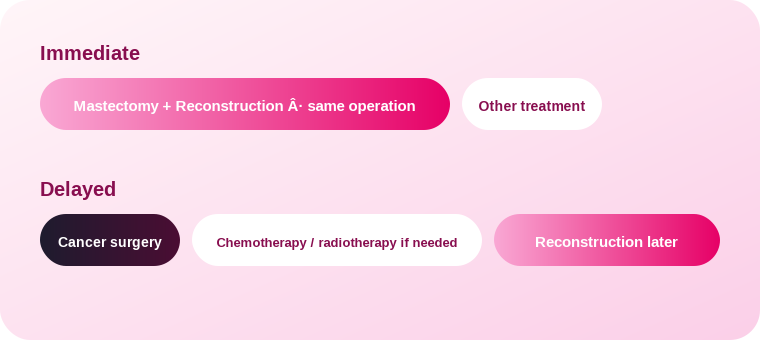
Immediate Breast Reconstruction
Reconstruction is performed during the same operation as mastectomy.
The breast is removed and reconstruction is started during the same surgical episode.
Potential advantages include avoiding a period without a breast mound and allowing the surgeon to plan the breast shape as part of the initial operation.
However, immediate reconstruction is not suitable for every patient.
Delayed Breast Reconstruction
Reconstruction is performed after the initial cancer surgery and, in some cases, after completion of chemotherapy or radiotherapy.
Delayed reconstruction may be appropriate when:
- Additional cancer treatment needs to be completed first
- Radiotherapy is expected
- The patient prefers to postpone reconstruction
- Reconstruction was not possible during the initial surgery
- The patient needs time to consider different options
The timing is individualised according to the cancer treatment plan.
Types of Breast Reconstruction
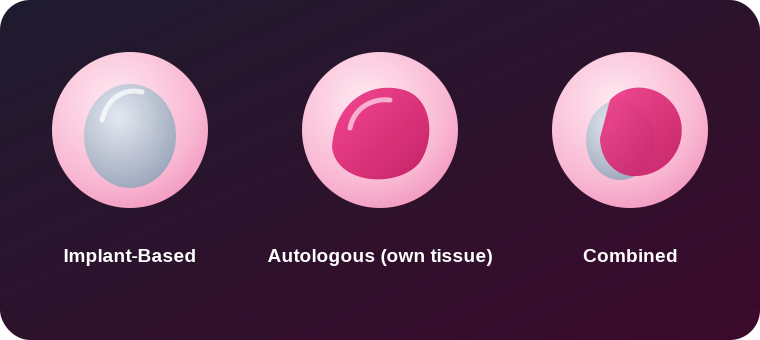
Implant-Based Reconstruction
Implant reconstruction uses a breast implant to recreate the breast mound.
Depending on the individual case, an implant may be placed directly or after a staged process involving a tissue expander.
Implant reconstruction may be considered when there is adequate soft-tissue coverage and the patient's anatomy and cancer treatment make it appropriate.
Autologous Breast Reconstruction
Autologous reconstruction uses the patient's own tissue to create the breast.
Tissue may be taken from areas such as:
- Abdomen
- Back
- Thigh
- Other suitable donor sites
The choice of flap technique depends on the patient's anatomy, previous surgeries and reconstructive requirements.
Combined Reconstruction
In some situations, an implant and the patient's own tissue may be used together to achieve the desired shape and coverage.
Breast Reconstruction After Mastectomy
Mastectomy removes most or all of the breast tissue and can change the shape of the chest.
Breast reconstruction can recreate a breast mound following mastectomy.
The reconstructive plan may consider:
- Type of mastectomy
- Amount of available skin
- Nipple and areola status
- Previous radiotherapy
- Need for future radiotherapy
- Body shape
- Available donor tissue
- Patient preferences
The reconstruction plan is ideally discussed before the mastectomy so that the breast cancer and reconstructive procedures can be coordinated.
Nipple-Sparing and Skin-Sparing Mastectomy
In selected patients, reconstruction can be combined with skin-sparing or nipple-sparing mastectomy.
Skin-Sparing Mastectomy
Most of the breast skin is preserved while breast tissue is removed. This can provide a suitable skin envelope for reconstruction.
Nipple-Sparing Mastectomy
When clinically appropriate, the nipple and areola may also be preserved.
Whether these techniques are suitable depends on the tumour location, involvement of the nipple or skin, cancer characteristics and other clinical factors.

Breast Reconstruction and Oncoplastic Surgery
Breast reconstruction and oncoplastic surgery are related but are not identical.
Oncoplastic breast surgery combines cancer removal with breast reshaping and is often used during breast-conserving surgery.
Breast reconstruction generally refers to recreating the breast after a mastectomy or major loss of breast tissue.
The appropriate approach depends on the type of cancer surgery required.
Breast Reconstruction After Radiotherapy
Previous or planned radiotherapy can influence reconstructive planning.
Radiated skin and soft tissue can have different healing characteristics, which may affect the choice and timing of reconstruction.
Depending on the circumstances, reconstruction may involve:
- Implant-based techniques
- Autologous tissue
- A combination of techniques
- Delayed reconstruction
The reconstructive plan should therefore be discussed alongside the overall cancer treatment plan.
How Is Breast Reconstruction Planned?
1. Breast Cancer Assessment
The surgeon reviews the cancer diagnosis, imaging, biopsy, planned breast surgery and other treatment requirements.
2. Reconstructive Assessment
Body shape, breast size, skin quality, previous operations and available tissue are evaluated.
3. Choice of Technique
The surgeon discusses suitable reconstructive options, including their advantages, limitations and possible complications.
4. Surgical Planning
The reconstruction is planned around the cancer operation and any anticipated chemotherapy or radiotherapy.
5. Reconstruction
The selected implant, tissue flap or combination technique is used to recreate the breast mound.
6. Further Procedures
Some patients may require additional procedures for refinement, symmetry or nipple-areola reconstruction.
Breast Reconstruction Recovery
Recovery depends on the type of reconstruction.
Recovery after implant-based reconstruction may be different from recovery after flap reconstruction because autologous surgery involves an additional donor site.
During recovery, patients may experience:
- Pain or tightness
- Swelling
- Bruising
- Temporary altered sensation
- Reduced activity for a period of time
- Fatigue
Follow-up appointments help monitor healing and the reconstructed breast.
Possible Risks and Complications
As with any major surgery, breast reconstruction carries potential risks.
These may include:
- Bleeding
- Infection
- Seroma
- Wound-healing problems
- Scarring
- Changes in sensation
- Asymmetry
- Implant-related complications
- Capsular contracture with implants
- Flap complications in autologous reconstruction
- Need for revision surgery
The risks vary considerably depending on the reconstruction technique and individual patient factors.
Can Breast Reconstruction Be Done During Mastectomy?
Yes. Immediate breast reconstruction can be performed during the same operation as mastectomy in appropriately selected patients.
However, immediate reconstruction is not always the safest or most suitable option. The need for radiotherapy, tumour characteristics, skin involvement and overall health may influence the timing.
Does Breast Reconstruction Affect Cancer Treatment?
Breast reconstruction is planned alongside cancer treatment.
Reconstruction itself does not replace chemotherapy, radiotherapy, hormone therapy or targeted treatment when these are medically indicated.
The breast cancer team considers the reconstructive procedure when planning the overall treatment sequence.
Can the Reconstructed Breast Feel Natural?
The appearance and sensation of a reconstructed breast vary depending on the technique.
Autologous tissue reconstruction can provide a breast mound made from the patient's own tissue, while implant reconstruction uses an artificial implant.
Sensation may also change after mastectomy because breast nerves are affected during surgery.
The goal is to achieve an appropriate shape and symmetry, but a reconstructed breast may not feel or function exactly like a natural breast.

Breast Reconstruction in Gurgaon
Breast Reconstruction in Gurgaon can be considered after mastectomy or significant breast tissue removal when reconstruction is appropriate for the patient's cancer treatment and personal goals.
Dr. Mansi Chowhan is an Oncoplastic Breast Surgeon in Gurgaon with advanced training in breast oncoplasty and breast cancer surgery, including MCh Breast Oncoplasty (UK) and fellowship training in breast surgery in Paris and at Memorial Sloan Kettering Cancer Center, New York.
Reconstruction planning takes into account both cancer treatment and the desired breast shape, while selecting a technique that is appropriate for the patient's anatomy and treatment needs.
Breast Reconstruction Cost in Gurgaon
The cost of breast reconstruction varies significantly depending on the technique and whether it is performed immediately or as a delayed procedure.
Factors may include:
- Type of reconstruction
- Implant or tissue flap requirements
- Surgeon and anaesthesia charges
- Hospital and operating room charges
- Additional procedures
- Pathology and investigations
- Hospital stay
- Follow-up or revision procedures
A personalised cost estimate can be provided after assessment and selection of the appropriate reconstructive approach.
Frequently Asked Questions
What is breast reconstruction?
Breast reconstruction is surgery to recreate the shape of the breast after mastectomy or significant breast tissue removal.
Can breast reconstruction be done immediately after mastectomy?
Yes. Immediate reconstruction can be performed during the same operation as mastectomy in selected patients.
What is delayed breast reconstruction?
Delayed reconstruction is performed after the initial breast cancer surgery, sometimes after completion of chemotherapy or radiotherapy.
What are the main types of breast reconstruction?
The main approaches include implant-based reconstruction and autologous reconstruction using the patient's own tissue. Some patients may benefit from a combination of techniques.
Can breast reconstruction be done after radiotherapy?
Yes, but previous or planned radiotherapy can influence the timing and choice of reconstruction.
Is breast reconstruction possible after modified radical mastectomy?
Yes. Reconstruction may be considered after modified radical mastectomy, depending on the patient's cancer treatment and reconstructive suitability.
Does breast reconstruction remove breast cancer?
The cancer removal is performed through the appropriate breast cancer surgery. Reconstruction recreates the breast shape and does not replace the cancer treatment itself.
Will reconstruction restore normal breast sensation?
Not necessarily. Sensation can be reduced or altered after mastectomy and reconstruction.
How long does breast reconstruction recovery take?
Recovery varies significantly according to the type of reconstruction. Flap reconstruction generally involves a longer recovery than simpler implant-based procedures.
Will I need more than one reconstruction procedure?
Some patients require additional procedures to improve symmetry, contour or nipple-areola appearance. The need varies from person to person.