
Breast Lump Excision in Gurgaon


Breast Lump Excision is a surgical procedure in which a breast lump is removed through a carefully planned incision. It may be recommended when a lump needs to be removed because of its size, symptoms, growth, uncertainty about its diagnosis, or other clinical considerations.
Not every breast lump requires surgery. Many lumps can be monitored or managed without excision after appropriate clinical assessment, imaging and, when required, a needle biopsy.
Dr. Mansi Chowhan is an Oncoplastic Breast Surgeon in Gurgaon with specialised training in breast surgery and oncoplastic techniques. Her approach focuses on identifying the nature of a breast lump and selecting the appropriate treatment based on the individual patient's condition.
What Is Breast Lump Excision?
Breast lump excision, also called excisional breast surgery, involves surgically removing the lump along with a small amount of surrounding tissue when clinically appropriate.
The removed tissue is sent for histopathological examination to establish or confirm the diagnosis.
The decision to remove a lump depends on its clinical and imaging characteristics rather than simply the presence of a lump.
Depending on the situation, breast lump excision may be considered for conditions such as:
- Fibroadenoma
- Certain benign breast tumours
- Symptomatic breast lumps
- Growing or changing lumps
- Recurrent lumps
- Lesions where complete removal is clinically appropriate
- Selected lumps where the diagnosis remains uncertain after other investigations
Does Every Breast Lump Need to Be Removed?
No.
A breast lump may be caused by several different conditions, including benign changes and breast cancer. Some benign lumps can be safely monitored, while others may require treatment.
Assessment may include:
- Clinical breast examination
- Ultrasound
- Mammography, depending on age and clinical circumstances
- Needle biopsy when indicated
- Review of previous imaging or pathology
The recommended approach depends on the findings.

When Is Breast Lump Excision Recommended?
Surgical removal may be considered when:
The Lump Is Increasing in Size
A lump that continues to grow may require further evaluation and, in selected cases, removal.
The Lump Causes Symptoms
Pain, discomfort, pressure or other persistent symptoms may be reasons to discuss excision.
The Lump Is Large
Larger lumps may become uncomfortable or cause visible changes in breast shape.
The Diagnosis Requires Further Assessment
If imaging and needle biopsy do not provide sufficient information, surgical excision may sometimes be considered.
The Patient Prefers Removal of a Benign Lump
In selected cases, a confirmed benign lump may still be removed after discussing the benefits, risks and alternatives.
Breast Lump Excision Procedure
The exact technique depends on the location and size of the lump.
1. Preoperative Assessment
The surgeon reviews the clinical examination, imaging and biopsy results, if performed.
The location of the lump and its relationship to surrounding breast tissue are considered when planning the incision.
2. Anaesthesia
Breast lump excision may be performed under local or general anaesthesia depending on the size, location and complexity of the procedure.
3. Incision Planning
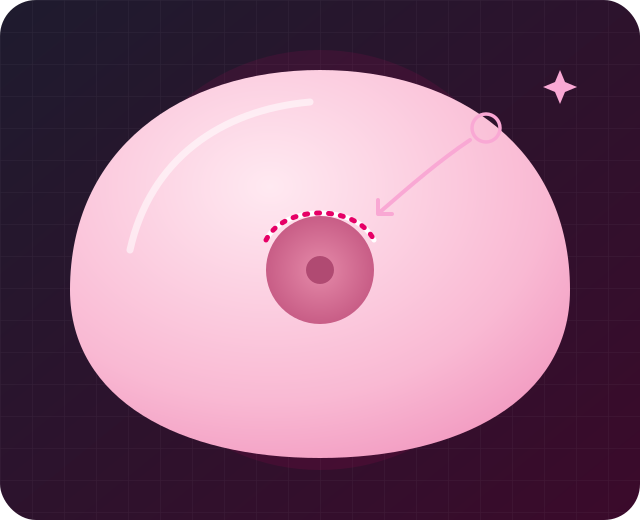
The incision is carefully planned based on the position of the lump and the patient's breast anatomy.
Where appropriate, an incision may be placed in a less visible location.
4. Lump Removal
The surgeon carefully separates and removes the lump while preserving surrounding healthy breast tissue as much as possible.
5. Tissue Examination
The removed tissue is sent to the pathology laboratory for examination.
6. Closure
The incision is closed carefully to support healing and achieve an appropriate cosmetic result.
What Happens to the Removed Breast Lump?
The excised tissue is sent for histopathology.
The pathology report can determine whether the lump is:
- Benign
- Atypical or high-risk
- Malignant
- Another type of breast lesion
If cancer is identified unexpectedly, further treatment may be required depending on the pathology findings and margins.
Breast Lump Excision for Fibroadenoma
Fibroadenoma is a common benign breast lump, particularly among younger women.
Many fibroadenomas do not require surgical removal. However, excision may be considered when a fibroadenoma:
- Is large
- Is increasing in size
- Causes discomfort
- Causes cosmetic concerns
- Has unusual or concerning features
- Requires removal based on clinical assessment
The decision is made after appropriate imaging and, when necessary, tissue diagnosis.
Breast Lump Excision vs Breast Biopsy
These procedures are related but have different purposes.
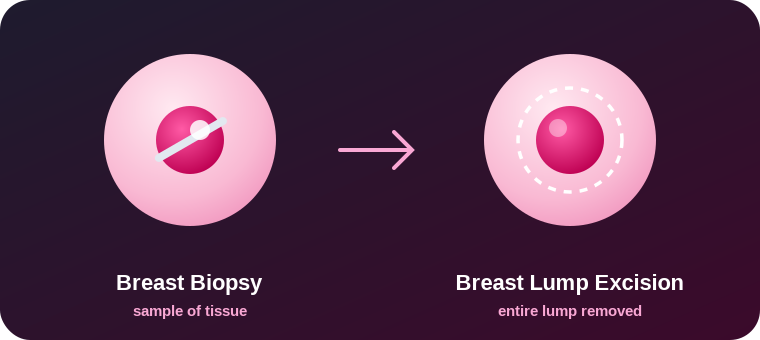
| Breast Biopsy | Breast Lump Excision |
|---|---|
| Removes a sample of tissue | Removes the entire lump or lesion |
| Primarily used to establish a diagnosis | Can provide diagnosis and remove the lesion |
| Usually less extensive | More extensive than a needle biopsy |
| Examples include core needle biopsy | Surgical excision is used for selected lumps |
A biopsy may be performed before deciding whether surgical removal is necessary.
Breast Lump Excision vs Lumpectomy
The terms can sometimes overlap, but they are commonly used in different contexts.
Breast lump excision generally refers to removal of a breast lump, which may be benign or require further diagnosis.
Lumpectomy, also called breast-conserving surgery, is generally used in the treatment of breast cancer and involves removal of the cancerous tumour with an appropriate margin of surrounding tissue.
The extent and purpose of surgery are therefore different.
Recovery After Breast Lump Excision
Recovery depends on the size and location of the lump and the type of anaesthesia used.
Many patients can return home the same day, although this depends on the procedure and individual circumstances.
Temporary symptoms may include:
- Mild pain
- Swelling
- Bruising
- Tightness around the incision
- Temporary altered sensation
Your surgeon will provide instructions regarding wound care, physical activity and follow-up.
Possible Risks and Complications
As with any surgical procedure, breast lump excision has potential risks, including:
- Bleeding
- Infection
- Seroma or fluid collection
- Bruising
- Pain
- Scarring
- Temporary or persistent altered sensation
- Changes in breast shape or contour
The risk depends on the size and location of the lump and the extent of surgery.
Breast Lump Excision and Cosmetic Considerations
The appearance of the breast after surgery can be influenced by the size and location of the lump and the amount of tissue that needs to be removed.
An experienced breast surgeon considers both safe removal of the lesion and preservation of breast shape when planning the procedure.
This can be particularly important when a larger lump needs to be removed or when the lesion is located in a cosmetically sensitive area.

Breast Lump Excision in Gurgaon
Breast Lump Excision in Gurgaon is planned after a detailed assessment of the lump and the available diagnostic information.
Dr. Mansi Chowhan is an Oncoplastic Breast Surgeon in Gurgaon with advanced training in breast surgery and oncoplastic breast procedures. Her surgical planning takes into account the diagnosis, location of the lump, amount of tissue that may need to be removed and the patient's overall breast anatomy.
The goal is to address the underlying breast condition while preserving breast tissue and appearance whenever clinically appropriate.
Breast Lump Excision Cost in Gurgaon
The cost of breast lump excision varies depending on the complexity of the procedure and whether additional investigations or pathology are required.
Factors may include:
- Surgeon and anaesthesia fees
- Hospital or day-care charges
- Imaging and investigations
- Pathology
- Size and location of the lump
- Type of anaesthesia
- Follow-up requirements
A personalised estimate can be provided after examination and treatment planning.
Frequently Asked Questions
What is breast lump excision?
Breast lump excision is surgery to remove a breast lump. The removed tissue is usually sent for histopathological examination.
Is every breast lump treated with surgery?
No. Some breast lumps can be monitored or treated without surgery. The decision depends on clinical examination, imaging and biopsy findings when required.
Is breast lump excision the same as a biopsy?
No. A biopsy usually removes a tissue sample to establish a diagnosis, while excision removes the entire lump or lesion.
Can a fibroadenoma be removed through breast lump excision?
Yes. Selected fibroadenomas may be removed surgically, particularly when they are large, growing, symptomatic or have other features that warrant excision.
Will the removed lump be tested for cancer?
Yes. Surgically removed breast tissue is generally sent for pathological examination to establish the final diagnosis.
Is breast lump excision painful?
The procedure is performed under appropriate anaesthesia. Some pain, tenderness or discomfort can occur after surgery and is usually managed with prescribed or recommended pain relief.
Will breast lump excision leave a scar?
Yes, surgery involves an incision and therefore a scar. The location and appearance of the scar depend on the surgical technique, incision placement and individual healing.
Can breast lump excision change breast shape?
It can, particularly when a large amount of tissue needs to be removed. Surgical planning can help minimise contour changes where possible.
How long does it take to recover?
Recovery varies according to the size and location of the lump and the extent of surgery. Your surgeon will provide personalised guidance about returning to normal activities.
What if the pathology report shows cancer?
If cancer is identified, further assessment and treatment planning will be required. The next step depends on the type of cancer, margins, stage and other pathology findings.