
Breast Oncoplasty Level 2 in Gurgaon


Breast Oncoplasty Level 2 is an advanced breast-conserving technique used when a larger amount of breast tissue needs to be removed during cancer surgery. The procedure combines removal of the tumour with more extensive reshaping of the remaining breast tissue to maintain breast contour and symmetry.
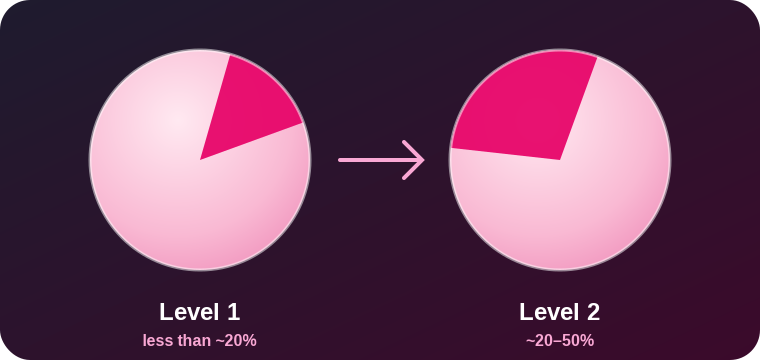
In commonly used oncoplastic classifications, Level 2 procedures are generally considered when approximately 20–50% of the breast volume may need to be removed. The exact classification can vary between surgical systems, so the technique is selected according to the individual patient's anatomy and cancer characteristics.
For patients requiring more extensive tissue removal, Level 2 oncoplasty can provide an alternative to conventional lumpectomy when breast conservation remains appropriate.
What Is Breast Oncoplasty Level 2?
Breast Oncoplasty Level 2 combines breast cancer surgery with more extensive reconstructive or reshaping techniques.
Compared with Level 1 oncoplasty, a larger amount of breast tissue may be removed. Simply closing the surgical cavity may result in significant distortion, so the remaining breast tissue is reshaped to restore the breast contour.
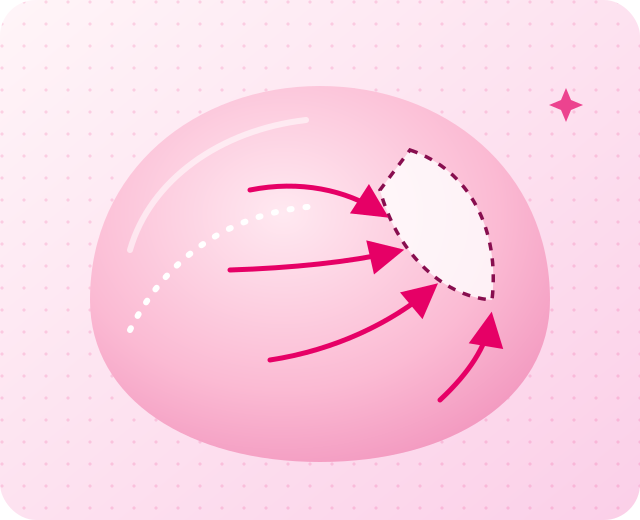
Depending on the patient's anatomy and tumour location, techniques may include:
- Tissue rearrangement
- Therapeutic breast reduction
- Mastopexy-based techniques
- Glandular tissue reshaping
- Adjustment of the nipple-areola complex when required
- Symmetrisation procedures in selected cases
The primary objective remains appropriate removal of the cancer while preserving the breast whenever this is considered oncologically suitable.
When Is Level 2 Oncoplasty Considered?
Level 2 oncoplasty may be considered when a larger volume of breast tissue needs to be removed but breast conservation remains possible.
Factors considered include:
- Tumour size
- Tumour location
- Breast size and shape
- Amount of tissue that needs to be removed
- Location of the tumour within the breast
- Imaging findings
- Cancer stage and characteristics
- Skin and nipple position
- Previous breast surgery or radiation
- Patient preferences
A larger tumour does not automatically mean that mastectomy is necessary. In selected patients, oncoplastic techniques can allow a wider excision while maintaining an acceptable breast shape.
How Is Breast Oncoplasty Level 2 Performed?
The surgical plan is individualized according to the tumour and breast anatomy.
1. Detailed Assessment
Your breast surgeon reviews the clinical examination, imaging and biopsy or pathology results.
2. Surgical Planning
The tumour location and expected volume of tissue removal are assessed. The surgeon selects an appropriate oncoplastic technique based on the breast's size and shape.
3. Cancer Removal
The tumour is removed with an appropriate margin as part of breast-conserving cancer surgery.
4. Breast Reshaping
Because a larger tissue defect may be created, the remaining breast tissue is rearranged or reshaped to restore the breast contour.
5. Symmetry Consideration
In selected patients, the opposite breast may also be considered for a symmetry procedure. This is not required in every case.
6. Pathological Examination
The removed tissue is sent for pathological assessment. The final report helps determine whether the surgical margins are adequate and whether further treatment is required.
Level 1 vs Level 2 Breast Oncoplasty
The main difference is the extent of tissue removal and complexity of breast reshaping.
| Level 1 Oncoplasty | Level 2 Oncoplasty |
|---|---|
| Generally used for smaller tissue defects | Used for larger tissue defects |
| Usually involves limited tissue rearrangement | Requires more extensive reshaping |
| Commonly less than about 20% breast volume removed | Commonly around 20–50% breast volume removed |
| May use local glandular tissue rearrangement | May involve reduction or mastopexy-based techniques |
| Relatively limited reconstruction | More complex reconstructive planning |
These percentages are commonly used as broad classifications rather than rigid rules. The appropriate technique depends on the patient's anatomy and surgical requirements.
Benefits of Level 2 Oncoplastic Surgery
For appropriately selected patients, Level 2 oncoplasty can offer several potential advantages:
- Allows removal of a larger volume of breast tissue while preserving the breast
- Can reduce significant contour deformity after tumour removal
- Incorporates breast reshaping into the cancer operation
- May improve breast symmetry
- Can provide a more natural breast contour than conventional closure in selected cases
- May expand breast-conservation options for some patients
The expected outcome varies depending on the tumour, breast anatomy and surgical technique.

Who May Not Be Suitable for Level 2 Oncoplasty?
Breast conservation and oncoplastic surgery are not appropriate for every patient.
A different surgical approach may be recommended when:
- The cancer cannot be adequately removed while preserving the breast
- There is extensive or multifocal disease unsuitable for breast conservation
- The expected breast shape after conservation would be unacceptable
- Previous treatment limits the available surgical options
- The patient's overall treatment plan makes another approach more appropriate
The decision is made after reviewing the complete clinical and imaging information.
Recovery After Level 2 Oncoplasty
Recovery varies according to the extent of tissue removal, the reshaping technique and whether lymph node surgery is performed at the same time.
You may experience:
- Swelling
- Bruising
- Pain or tenderness
- Temporary tightness
- Changes in breast sensation
- Surgical scars
Your surgeon will provide individualized instructions regarding wound care, activity, medication and follow-up.
If the procedure is performed as part of breast-conserving cancer treatment, additional treatment such as radiotherapy may be recommended depending on the final diagnosis.
Possible Risks and Complications
As with any breast surgery, potential complications include:
- Bleeding
- Infection
- Seroma
- Delayed wound healing
- Pain
- Changes in breast sensation
- Scarring
- Changes in breast shape or size
- Asymmetry
- Fat necrosis
- Positive or close surgical margins
- Need for additional surgery in selected patients
Your individual risks depend on your health, cancer characteristics and the surgical technique used.

Breast Oncoplasty Level 2 in Gurgaon
Breast Oncoplasty Level 2 in Gurgaon requires careful surgical planning because a larger amount of breast tissue may need to be removed and reshaped.
Dr. Mansi Chowhan is an Oncoplastic Breast Surgeon in Gurgaon with advanced training in breast oncoplasty. Her qualifications include MCh Breast Oncoplasty (UK), along with fellowship training in breast surgery in Paris and IFHNOS-MSKCC, New York.
The surgical approach is planned according to the tumour characteristics, breast anatomy and the patient's overall cancer treatment requirements. When breast conservation is appropriate, oncoplastic techniques may be considered to address both the surgical cancer treatment and the resulting breast contour.
Breast Oncoplasty Level 2 Cost in Gurgaon
The cost depends on the complexity of the procedure and the overall treatment plan.
Factors that can influence the cost include:
- Type of oncoplastic procedure
- Hospital charges
- Surgeon and anaesthesia fees
- Pathology and investigations
- Lymph node surgery
- Additional reshaping or symmetry procedures
- Hospital stay
- Further cancer treatment
A personalized estimate can be provided after consultation and treatment planning.
Frequently Asked Questions
What is Level 2 breast oncoplasty?
Level 2 oncoplasty is a more extensive breast-conserving approach used when a larger amount of breast tissue needs to be removed. The remaining breast is reshaped using techniques such as tissue rearrangement, therapeutic reduction or mastopexy-based approaches.
How much breast tissue is removed in Level 2 oncoplasty?
Common classifications describe Level 2 oncoplasty as involving approximately 20–50% of breast volume, although classification systems can differ and the actual amount depends on the individual case.
Is Level 2 oncoplasty the same as breast reconstruction?
Not exactly. Level 2 oncoplasty is generally performed as part of breast-conserving cancer surgery, combining tumour removal with reshaping of the remaining breast tissue. Breast reconstruction usually refers to rebuilding the breast after mastectomy.
Can Level 2 oncoplasty avoid mastectomy?
In selected patients, oncoplastic surgery can allow a larger tumour or tissue volume to be removed while preserving the breast. However, it cannot replace mastectomy when breast conservation would not provide appropriate cancer treatment.
Will both breasts be operated on?
Not necessarily. In some patients, a procedure on the opposite breast may be considered to improve symmetry, but this depends on individual anatomy and preferences.
Is radiotherapy required after Level 2 oncoplasty?
If Level 2 oncoplasty is performed as breast-conserving cancer surgery, radiotherapy may be recommended. The need depends on the patient's individual cancer characteristics and treatment plan.
Is Level 2 oncoplasty more complex than Level 1?
Generally, yes. Level 2 procedures involve a larger tissue defect and more extensive reshaping, so the surgical planning is more complex.
How do I know whether Level 1 or Level 2 oncoplasty is suitable for me?
The choice depends on the tumour's size and location, the amount of tissue that needs to be removed and your breast anatomy. Your breast surgeon can recommend the appropriate technique after reviewing your examination and imaging.